
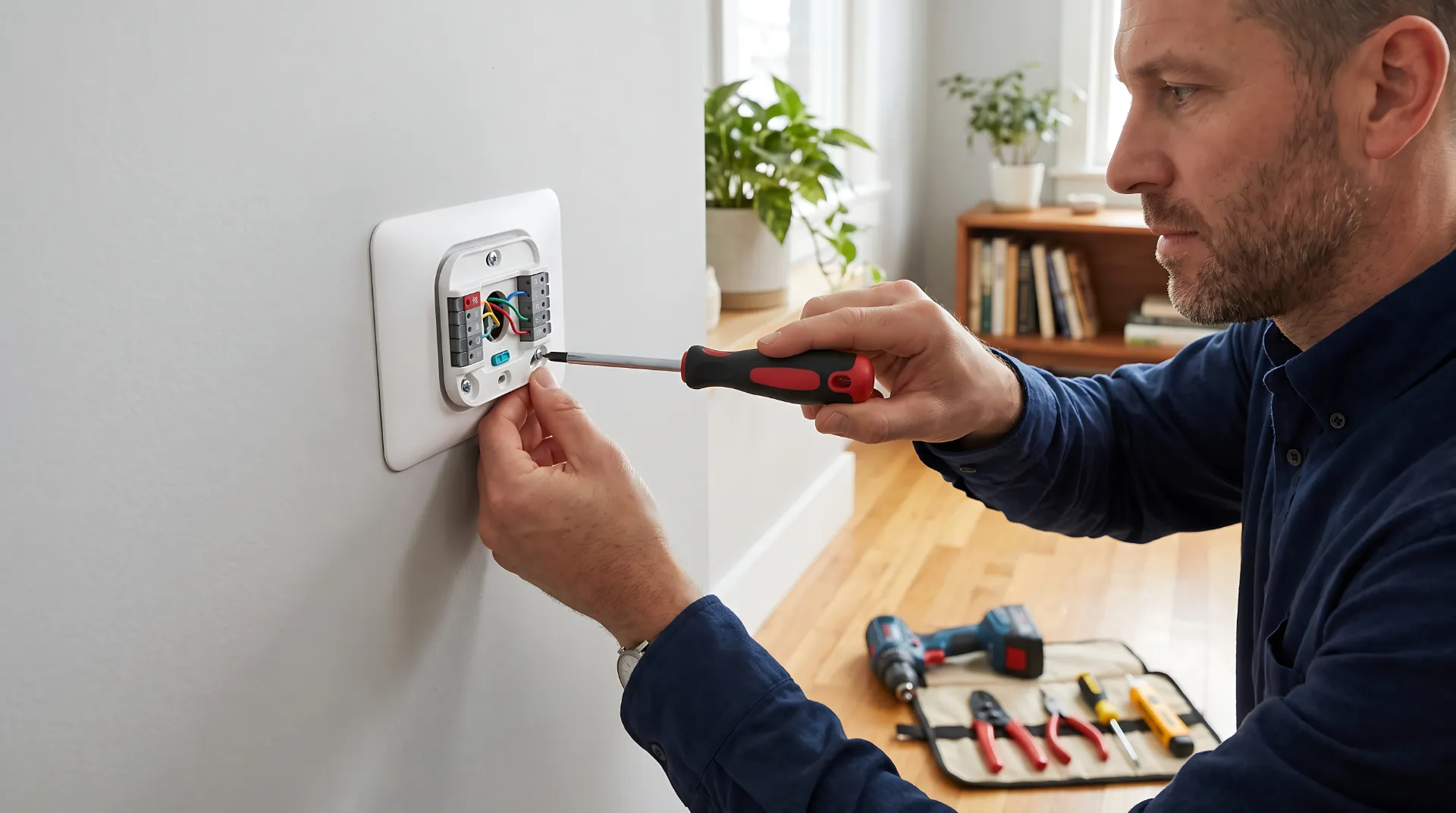




Safe, compliant electrical work carried out by qualified electricians

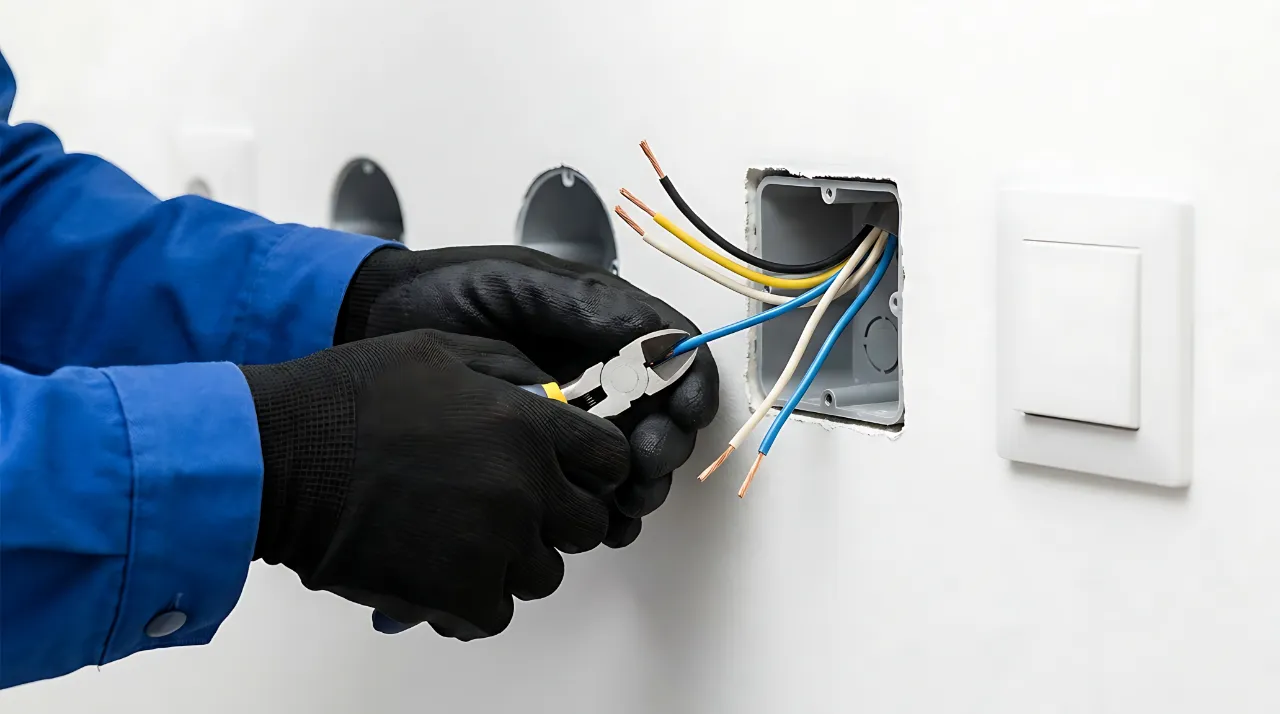
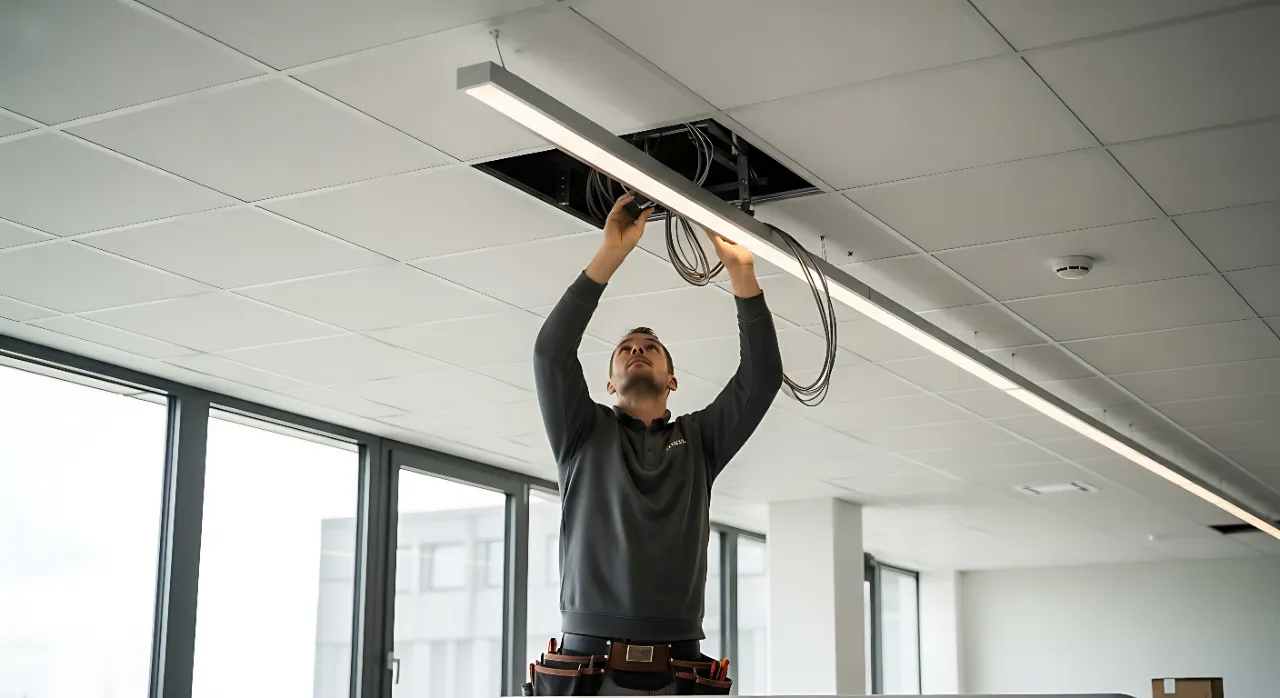
Full and partial house rewires carried out to BS 7671 standards
Electrical wiring deteriorates over time, and properties that haven’t been rewired in 25 years or more carry genuine fire and shock risks. Our qualified electricians carry out full and partial rewires, replacing outdated cable runs, consumer units and protective devices. All rewiring work is Part P self-certified on completion, with documentation handed to you directly.
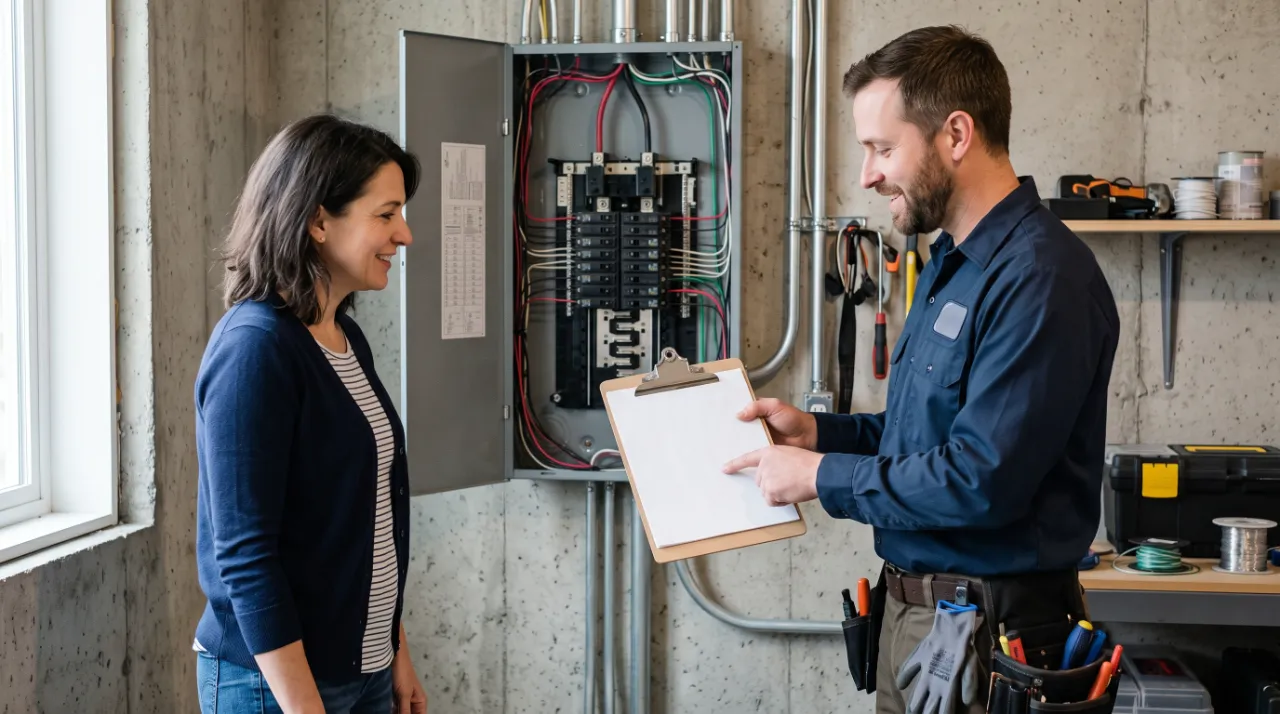
Electrical Installation Condition Reports for homeowners and landlords
An EICR formally records the condition of your property’s fixed electrical installation, covering sockets, switches, consumer units, bonding and all wiring circuits. Landlords in the private rented sector must hold a valid EICR every five years by law. Homeowners are advised to test every ten years. We issue the report on completion, coded to C1, C2 and C3 observations, so you know exactly what action, if any, is needed.

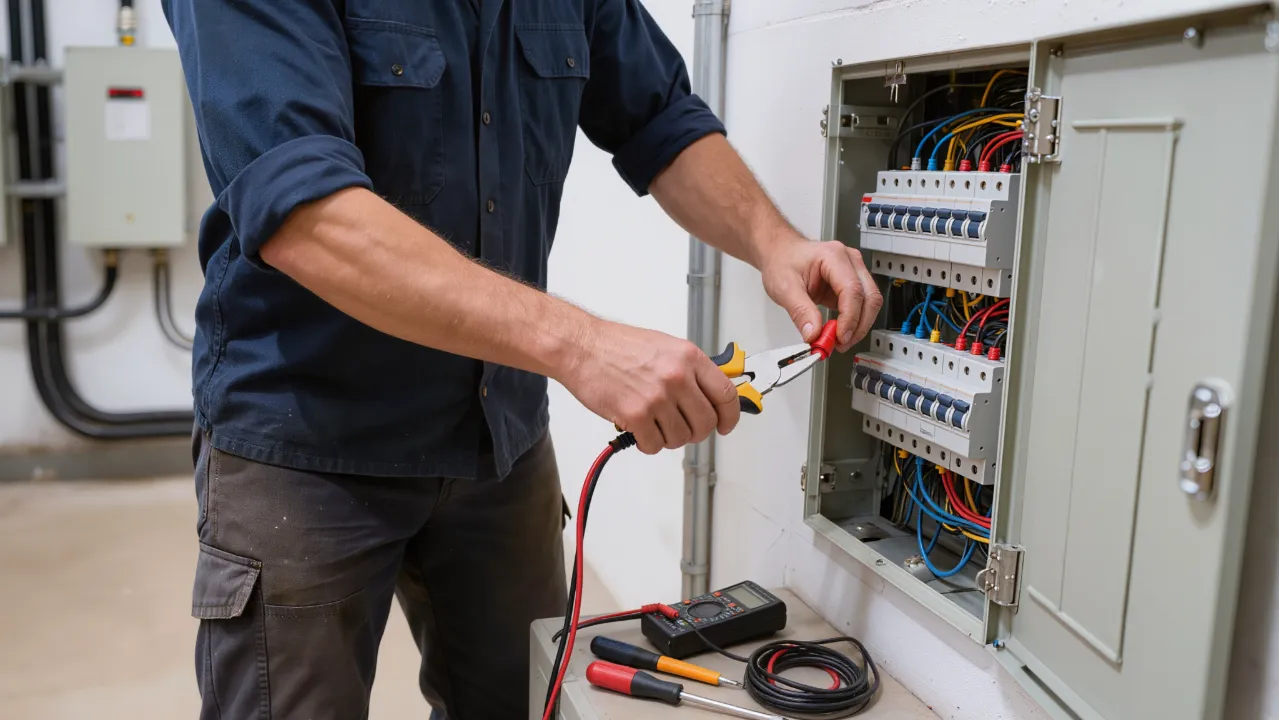
Fuse board and consumer unit replacement
An outdated fuse board is one of the most common reasons a property fails an EICR inspection. We replace old fuse boxes with modern consumer units fitted with RCD and RCBO protection, bringing your electrical system in line with current 18th Edition wiring regulations. All replacement units are tested and certified before we leave the property.
Sockets, lighting, smoke alarms and general electrical installations
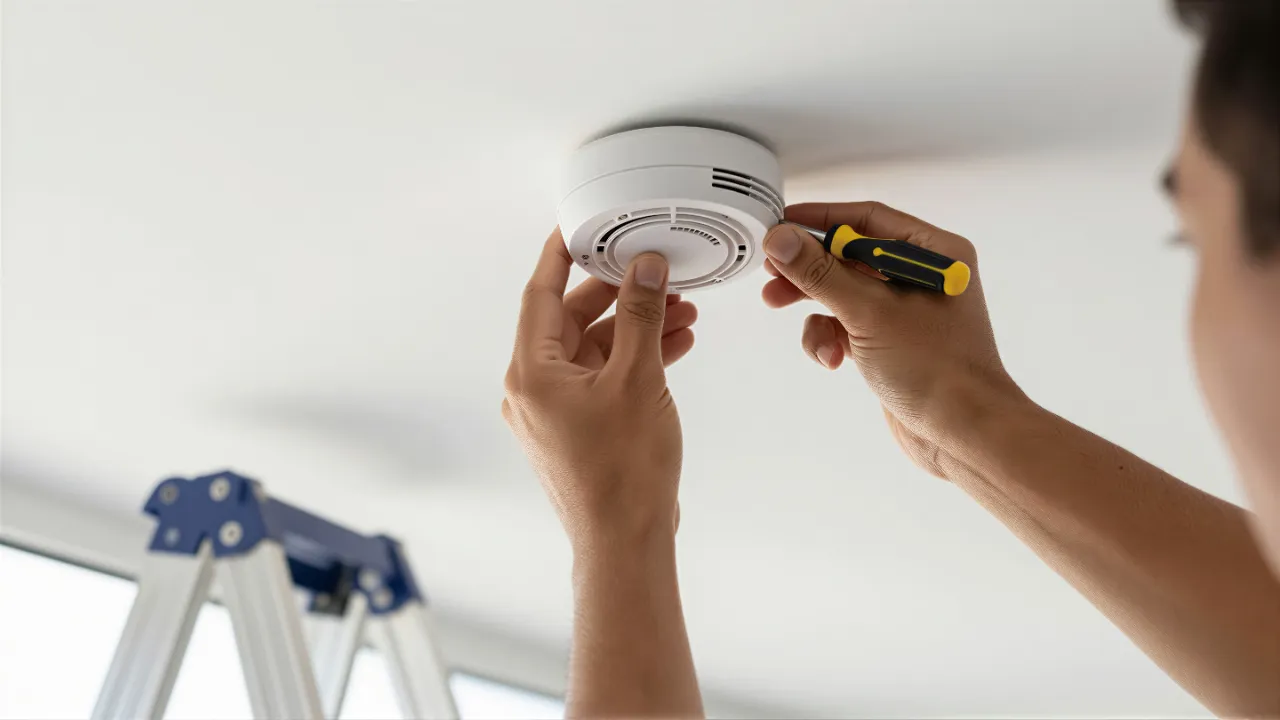
Alongside rewires and EICR testing, LGS Plumbing & Heating handles a range of general electrical work including additional sockets and cabling, new lighting circuits, interlinked smoke alarm installation and kitchen or cooker connections. Every installation is completed to manufacturer and building regulation standards with a Minor Works Certificate issued where required.
How It Works
Thinking about upgrading your heating, cooling or energy system? Here is exactly what to expect when you book with LGS, from first contact to a fully commissioned installation.
Here’s how it works for:
Hear From Our Customers
Take a look at what our happy customers have to say about our work.
-
Nisl integer tempus egestas amet porttitor sagittis leo. Auctor mattis quam nisl non phasellus. Susp...

Nisl integer tempus egestas amet porttitor sagittis leo. Auctor mattis quam nisl non phasellus. Suspendisse enim hendrerit elit lorem eleifend velit sit odio aliquam.
-
Nisl integer tempus egestas amet porttitor sagittis leo. Auctor mattis quam nisl non phasellus. Susp...
Nisl integer tempus egestas amet porttitor sagittis leo. Auctor mattis quam nisl non phasellus. Suspendisse enim hendrerit elit lorem eleifend velit sit odio aliquam.
-
Nisl integer tempus egestas amet porttitor sagittis leo. Auctor mattis quam nisl non phasellus. Susp...

Nisl integer tempus egestas amet porttitor sagittis leo. Auctor mattis quam nisl non phasellus. Suspendisse enim hendrerit elit lorem eleifend velit sit odio aliquam.
-
Nisl integer tempus egestas amet porttitor sagittis leo. Auctor mattis quam nisl non phasellus. Susp...
Nisl integer tempus egestas amet porttitor sagittis leo. Auctor mattis quam nisl non phasellus. Suspendisse enim hendrerit elit lorem eleifend velit sit odio aliquam.
-
Nisl integer tempus egestas amet porttitor sagittis leo. Auctor mattis quam nisl non phasellus. Susp...
Nisl integer tempus egestas amet porttitor sagittis leo. Auctor mattis quam nisl non phasellus. Suspendisse enim hendrerit elit lorem eleifend velit sit odio aliquam.
-
Nisl integer tempus egestas amet porttitor sagittis leo. Auctor mattis quam nisl non phasellus. Susp...

Nisl integer tempus egestas amet porttitor sagittis leo. Auctor mattis quam nisl non phasellus. Suspendisse enim hendrerit elit lorem eleifend velit sit odio aliquam. Nisl integer tempus egestas amet porttitor sagittis leo. Auctor mattis quam nisl non phasellus. Suspendisse enim hendrerit elit lorem eleifend velit sit odio aliquam. Nisl integer tempus egestas amet porttitor sagittis leo. Auctor mattis quam nisl non phasellus. Suspendisse enim hendrerit elit lorem eleifend velit sit odio aliquam.
Common questions about rewires and EICR testing
Straight answers to the questions homeowners and landlords ask most often about electrical safety, inspection reports and rewiring work. If the answer to your questions not answered below contact us and we'll be happy to help.
Private landlords in England must have a valid EICR in place every five years by law. The report must be provided to tenants on request or at the start of a new tenancy.
An EICR covers all fixed wiring, sockets, switches, the consumer unit, protective bonding and earthing. Each finding is given a C1, C2 or C3 code indicating urgency of any remedial action.
The most common indicators include electrical wiring older than 25 years, regularly tripping circuits, old-style rubber or fabric-sheathed cables, or a failed EICR result. We can assess the installation and advise you.
A full rewire on a typical three-bedroom property generally takes between three and five days, depending on the size and layout of the installation. We confirm timelines before work begins.
Homeowners are not legally required to hold an EICR, but the NICEIC recommends one every ten years. It is also commonly requested during property sales and remortgage applications.
Latest News
Catch up on the latest news, insights and advice from the LGS team.
-
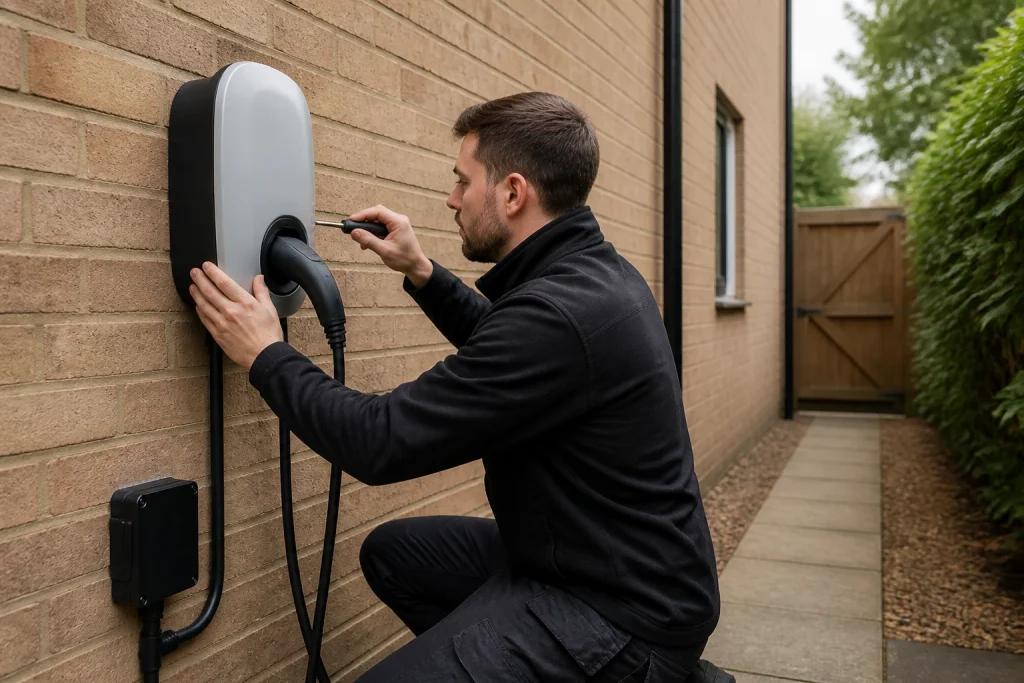
Installing an EV charger at home
Introduction The homeowner wanted to improve energy efficiency while reducing reliance on an older heating system. Their existing setup was becoming expensive to run and...
lgs_admin -

Solar panels and battery storage together
Lorem ipsum dolor sit amet, consectetur adipiscing elit, sed do eiusmod tempor incididunt ut labore et dolore magna aliqua. Ut enim ad minim veniam, quis...
lgs_admin -
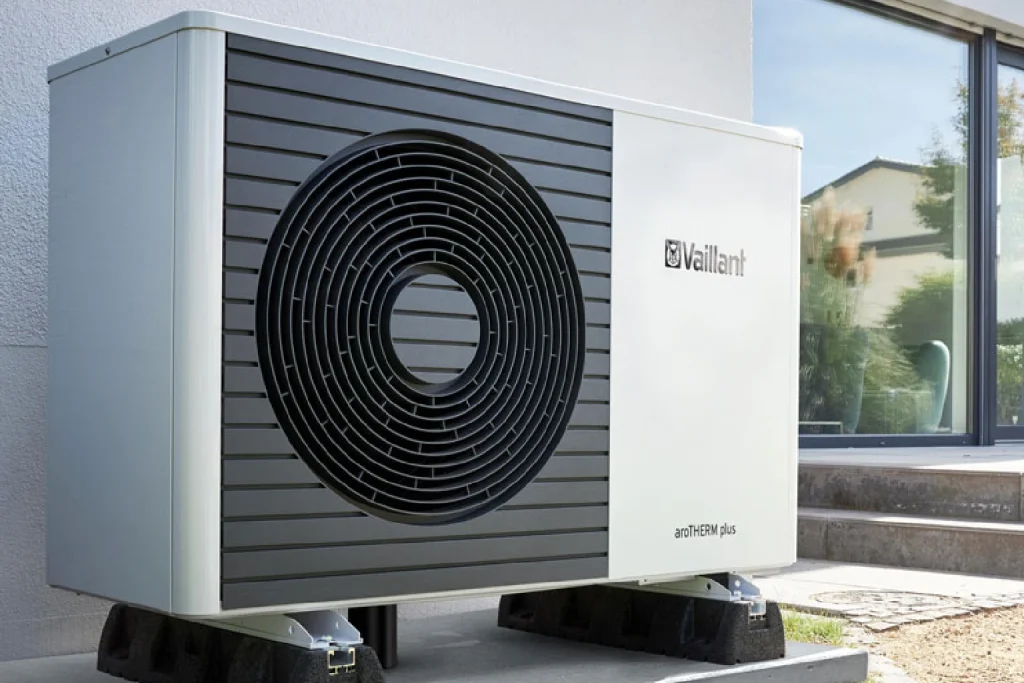
Heat pumps explained for homeowners
Lorem ipsum dolor sit amet, consectetur adipiscing elit, sed do eiusmod tempor incididunt ut labore et dolore magna aliqua. Ut enim ad minim veniam, quis...
lgs_admin
